
"Venezuelan coffee regions"
100 article(s) found

The special taste of Venezuelan coffee introduces the producing area of San Cristobal.
One of the many plantations in Merida at the foot of the Andes belongs to the Pablo and Pulido families, an ancient farm that has been allowed to downsize. Since taking over the farm in the early 1980s, the Pulido family has harvested coffee from existing bourbon coffee trees and planted new tree species to expand farming.

Venezuelan coffee features San Cristobal producing area
One of the many plantations in Merida at the foot of the Andes belongs to the Pablo and Pulido families, an ancient farm that has been allowed to downsize. Since taking over the farm in the early 1980s, the Pulido family has harvested coffee from existing bourbon coffee trees and planted new tree species to expand farming.

Introduction of Venezuelan coffee beans with smooth taste and sweet taste
Venezuelan Coffee Coffee Venezuela's distinctive manor coffee comes from this oil-rich country. Oil was once considered to be the main export of Venezuela. Although coffee trees were introduced from Martinique in 1730 and Venezuela, coffee production was almost abandoned at the height of the oil industry. Recently, coffee plantations have begun to resume.

Basic knowledge of boutique coffee Venezuelan coffee
Venezuela introduced coffee trees from Martinique as early as 1730, but coffee production was almost abandoned at the height of the oil industry. Recently, coffee plantations have begun to recover, with original Tipica and bourbon coffee trees and new plantations laying the foundation for coffee exports.

What are the flavor and taste characteristics of Venezuelan coffee beans? Does Venezuela produce more coffee?
Professional coffee knowledge exchange more coffee bean information please follow the coffee workshop (Wechat official account cafe_style) what are the flavor and taste characteristics of Venezuelan coffee beans? Does Venezuela produce more coffee? At the end of the 19th century, Venezuela began the coffee age, but with the imperialist countries in Africa and Asia, large-scale cultivation of cocoa and coffee beans, with inferior raw materials

Venezuela's coffee producing region Venezuela's coffee market
Coffee trees were imported from Martinique as early as 1730, but coffee production was almost abandoned during the heyday of the oil industry. Coffee plantations have recently begun to revive, with the old Tipica and Bourbon trees and new plantations laying the groundwork for coffee exports.
Boutique coffee beans introduce Venezuelan coffee
The distinctive manor coffee comes from this oil-rich country. Oil was once considered to be the main export of Venezuela. Although coffee trees were introduced from Martinique in 1730 and Venezuela, coffee production was almost abandoned at the height of the oil industry. Recently, coffee plantations have begun to recover, with the original planting of Tipica and

Tazira San Cristobal Manor in the southwest of the Venezuelan coffee plantation
The best coffee names in Venezuela are: Montebello in San Cristobal (San Cristbal de Tachira) in Tazira, Miramar in Rubio (Rubio de Tachira) in Tazira, Granija in Timothe (Timote de Merida) in Merida, and Santa Ana in Tacira (San)
Venezuelan coffee is recommended from the producing area of boutique coffee beans.
The distinctive manor coffee comes from this oil-rich country. Oil was once considered to be the main export of Venezuela. Although coffee trees were introduced from Martinique in 1730 and Venezuela, coffee production was almost abandoned at the height of the oil industry. Recently, coffee plantations have begun to recover, with the original planting of Tipica and

Introduction to Venezuelan coffee with a mellow taste and moderately bright sour taste
Minnesota coffee beans (Caribbean) Dominica coffee is grown in highlands and lowlands, and the taste is also slightly different. The upland is sour, but the taste is rich; the lowland is less sour and tastes smoother. Boutique coffee is popular in recent years. The high-quality coffee beans produced by some Dominican estates have rich aroma, mellow taste, moderately bright sour taste and negative taste.

The flavor characteristics of Venezuela Venezuelan coffee beans introduce the historical changes of Venezuelan coffee cultivation
Professional coffee knowledge exchange more coffee bean information please pay attention to the coffee workshop (Wechat official account cafe_style) Coffee (Venezuela) Coffee production is not high, most of them are supplied to domestic consumption. Although geographically, Venezuela is mainly produced in the west near Colombia, but its sour taste is very weak, which is not like
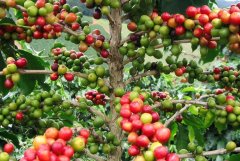
The characteristic manor coffee comes from this oil-rich country, Venezuelan coffee
Oil was once considered to be the main export of Venezuela. Although coffee trees were introduced from Martinique in 1730 and Venezuela, coffee production was almost abandoned at the height of the oil industry. Recently, coffee plantations have begun to recover, with original Tipica and bourbon coffee trees and new plantations laying the foundation for coffee exports.
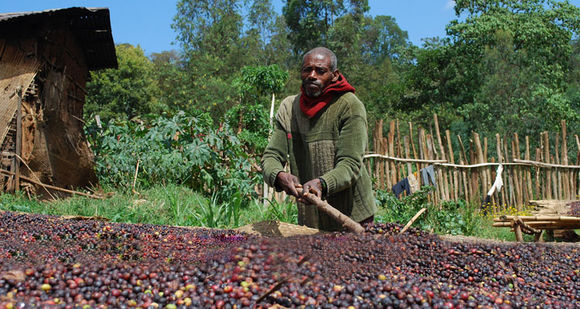
The mixture of the Pablo and Pulido families of Merida Caracas at the foot of the Venezuelan Andes
Venezuela's distinctive manor coffee comes from this oil-rich country. Oil was once considered to be the main export of Venezuela. Although coffee trees were introduced from Martinique in 1730 and Venezuela, coffee production was almost abandoned at the height of the oil industry. Recently, the coffee plantation has begun to recover, and the original Tippica (

Introduction of Coffee Manor in Venezuela-San Cristobal
The coffee produced in Venezuela is different from other coffee in Latin America. It tastes delicious, sour and has delicious fruit. This kind of coffee is most suitable for medium to deep roasting, which can not only be mixed but also has its own characteristics. Most of the country's coffee is exported to Russia, Colombia and other places, and some small plantations export coffee on their own. In many industries, Venezuela

Introduction to Venezuelan Coffee-San Cristobal Coffee
The topography of Venezuela can be divided into three regions: first, the northwest and northern mountains, mainly the Merida Mountains, the northeast branch of the Andes, is the largest mountain range in the country, with year-round snow, glaciers and frequent earthquakes. The peak of Bol í var is 5007 meters above sea level, which is the highest point in the country. In the northwest of the Merida Mountains, there is the largest lake in South America-Mara.

The San Cristobal producing area of the coffee farm in Venezuela
Venezuelan Coffee Coffee Venezuela's distinctive manor coffee comes from this oil-rich country. Oil was once considered to be the main export of Venezuela. Although coffee trees were introduced from Martinique in 1730 and Venezuela, coffee production was almost abandoned at the height of the oil industry. Recently, coffee plantations have begun to resume.
Global coffee producing area-Venezuela
Venezuela introduced coffee trees from Martinique as early as 1730, but coffee production was almost abandoned at the height of the oil industry. Recently coffee plantations have begun to recover, with original Tipica and bourbon coffee trees and new plantations.
Coffee producing areas in Venezuela
Venezuela introduced coffee trees from Martinique as early as 1730, but coffee production was almost abandoned at the height of the oil industry.

Coffee from Venezuela
Coffee trees were imported from Martinique as early as 1730, but coffee production was almost abandoned during the heyday of the oil industry. Coffee plantations have recently begun to revive, with the old Tipica and Bourbon trees and new plantations laying the groundwork for coffee exports.

The coffee producing area of Venezuela.
Venezuela introduced coffee trees from Martinique as early as 1730, but coffee production was almost abandoned at the height of the oil industry. Recently, coffee plantations have begun to recover, with original Tipica and bourbon coffee trees and new plantations laying the foundation for coffee exports.